
In Detail, In Brief: Going further to improve our environment
- Bristol South
- Dec 18, 2025
- 2 min read
Earlier this month, the revised national Environmental Improvement Plan (EIP) was published by the Department for Environment, Food and Rural Affairs (DEFRA). The EIP is our country’s long-term plan to improve the natural environment, clean up our air and waterways and protect environmental security. It also seeks to improve everyone’s access to nature. It can be sensibly considered as the companion to the Planning and Infrastructure Act.
The EIP makes clear that nature is not a blocker to economic growth, however some of the planning bureaucracy that has been created in recent years is a problem. The plan has 10 goals, each with detailed targets, and clear statements of how progress will be measured. The most important of these is the overarching goal to restore nature, which can only be achieved by delivering on all the other commitments in the plan.
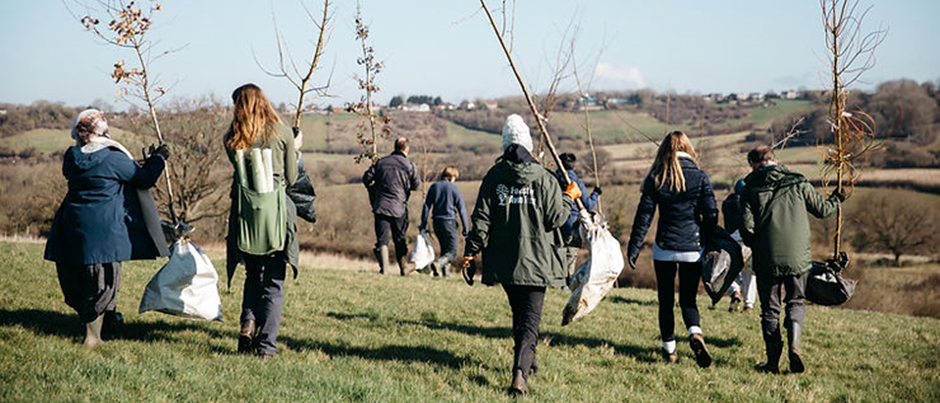
Key targets include halting the decline in species abundance by 2030, ensuring that by 2042 it is greater than in 2022 and at least 10% greater than in 2030. The plan also includes restoring or creating 250,000 hectares of wildlife habitat, outside of protected sites, and delivering a 43,000-hectare net increase of England’s tree canopy by 2030. This will be supported by the Labour's manifesto pledge to establish three new national forests, one of which will be in the west of England, giving future generations of people in Bristol South better access to nature.
There are detailed plans to address air quality, water quality and waste which complement the strategic approach to nature restoration set out in the Planning and Infrastructure Act.
The Act introduces new environmental planning reforms and will help to safeguard the environment at scale. These changes will give Natural England and the Environment Agency the capacity they need to work effectively, and the plans will be backed by £500 million for the Government’s Nature Restoration and Marine Recovery Fund schemes. This will unlock development while at the same time ensuring the positive impact development can have in funding nature recovery.


